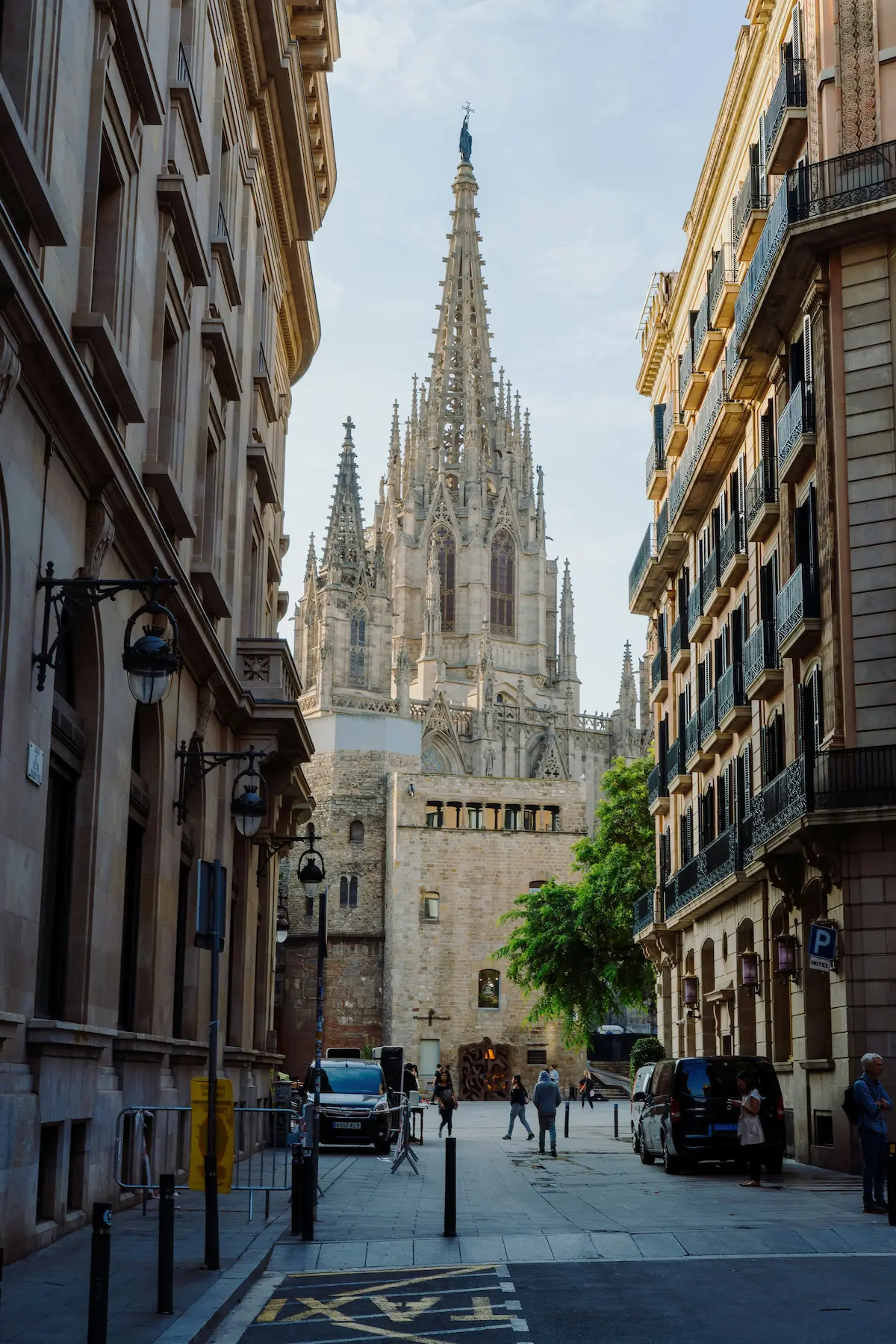
The Gothic Heart
From a quiet medieval square to the Roman forum where the city began — where nothing is quite as old as it looks.


Self-guided audio walks, researched and fact-checked down to the last detail. Stand where each story happened, listen, then walk on.


Barcelona, Madrid, San Sebastián, Istanbul and Rome. 2.99 € each, yours to keep.
How it works
Pick your route — it loads onto your phone, ready to go.
As you reach each stop, the audio begins instantly — no hunting for the right track.
Stand where it happened, listen, then carry on at your own pace.
Cities & tours
5 walks
From a quiet medieval square to the Roman forum where the city began — where nothing is quite as old as it looks.
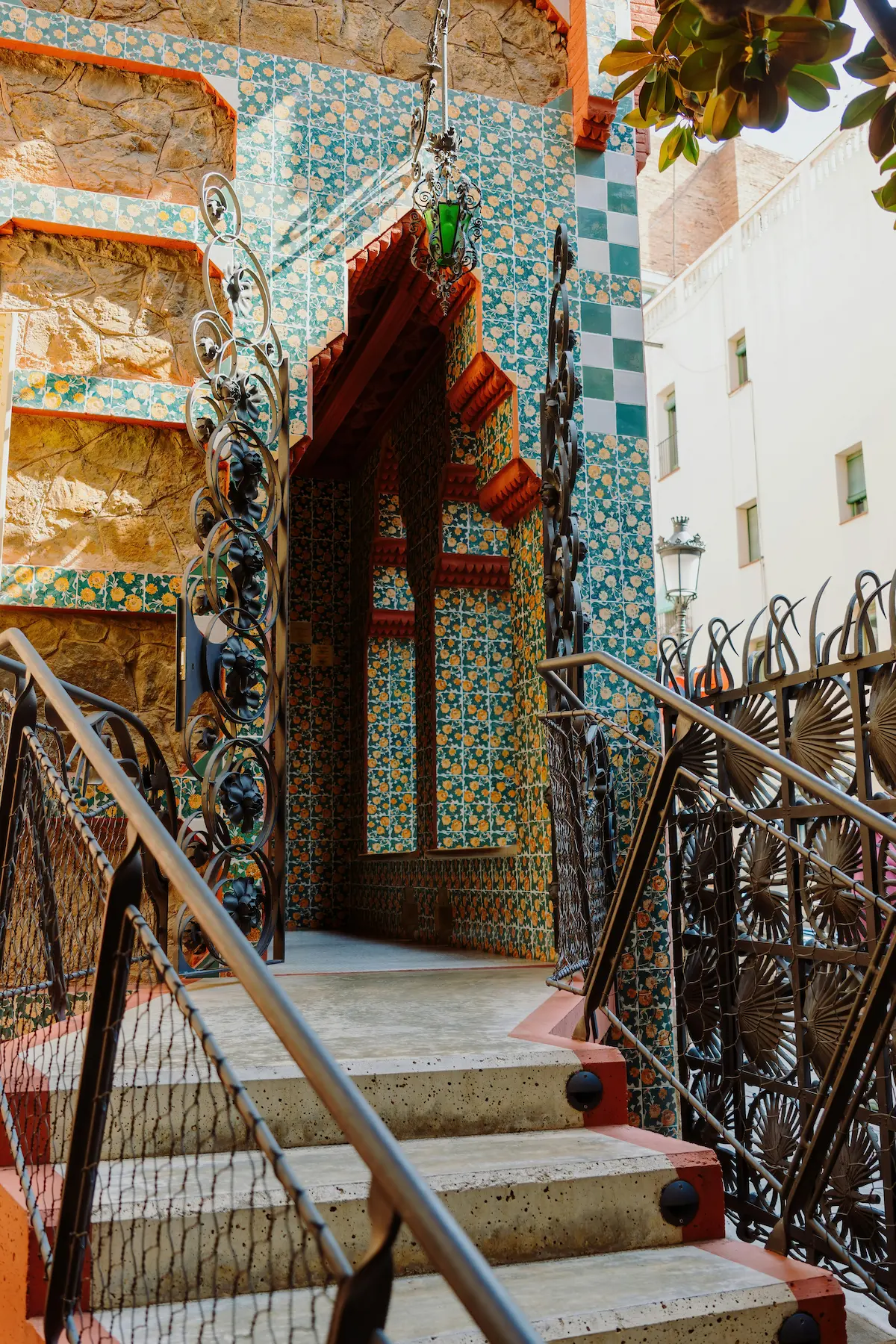
Once an independent town, now a Barcelona neighbourhood that never quite stopped being itself.
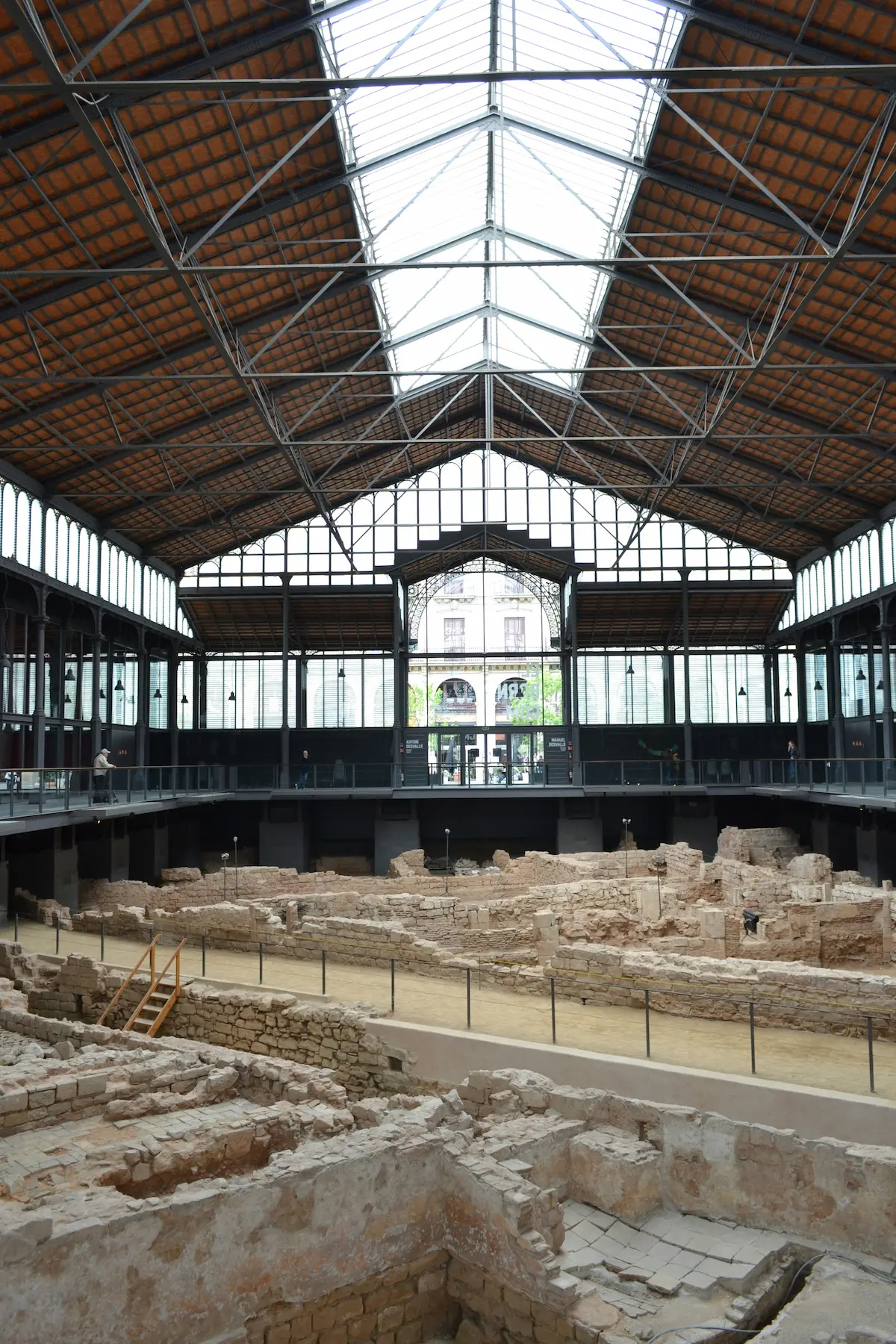
The medieval waterfront, from the royal shipyards to the merchants' exchange — how the city that built ships became a Mediterranean power.
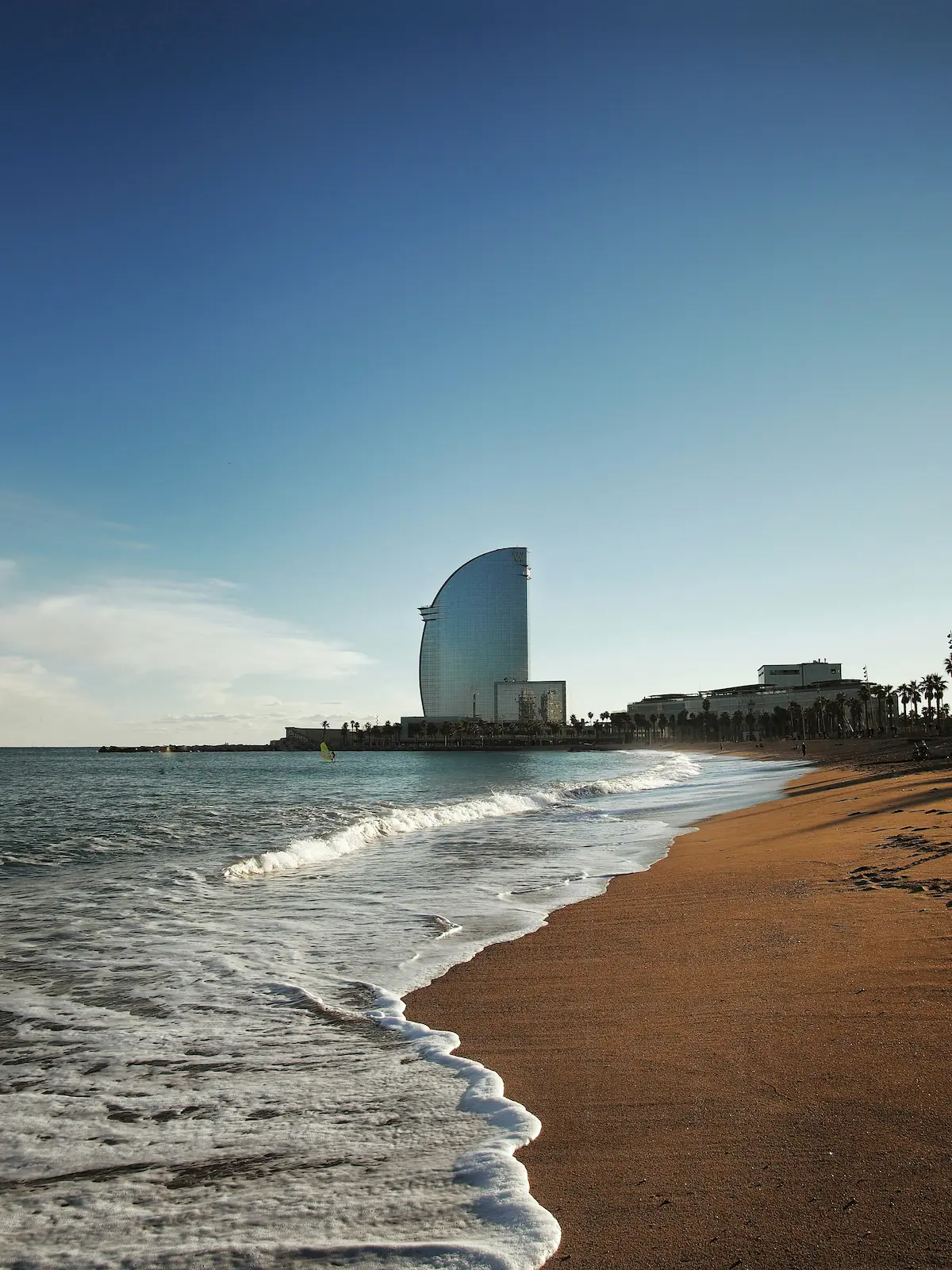
Most of the coastline you walk in Barcelona is barely thirty years old. Barcelona didn't find its beach — it made one.
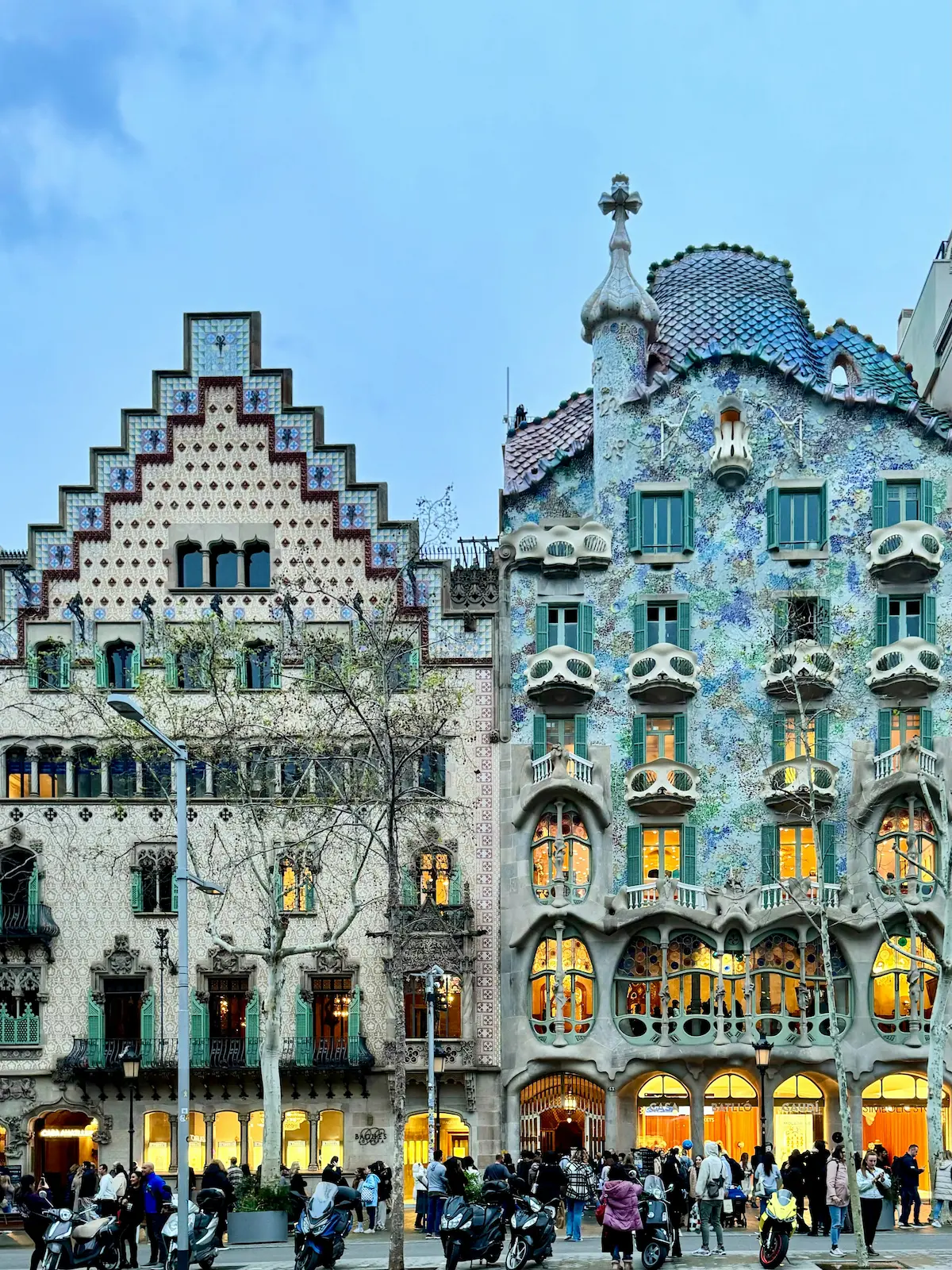
A wall is not a monument to a city's strength — it is a city admitting it is afraid.
7 walks
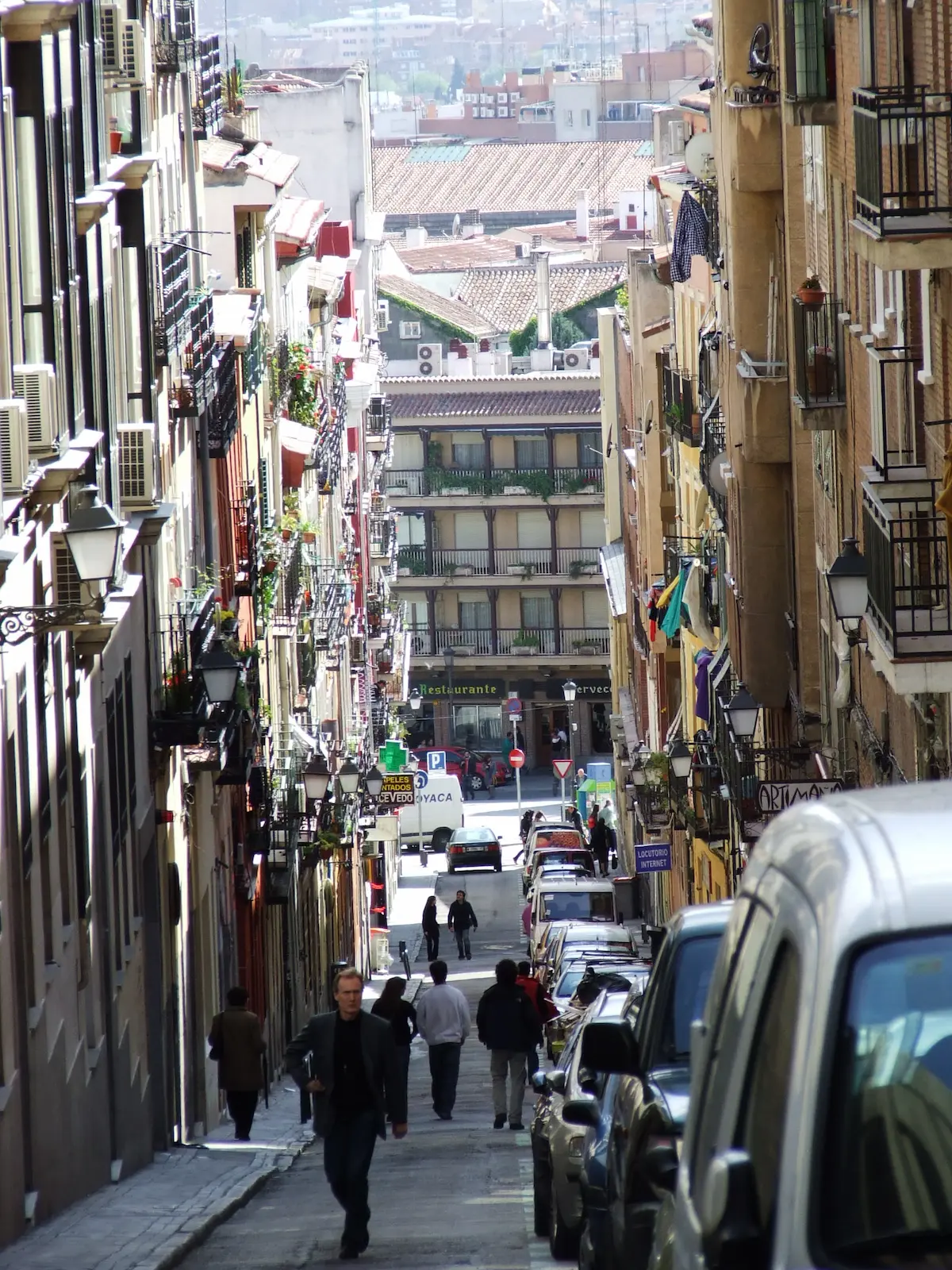
Madrid's most famous market grew up around a slaughter yard and a district of tanners — the work is long gone, but what it produced was the neighbourhood itself.
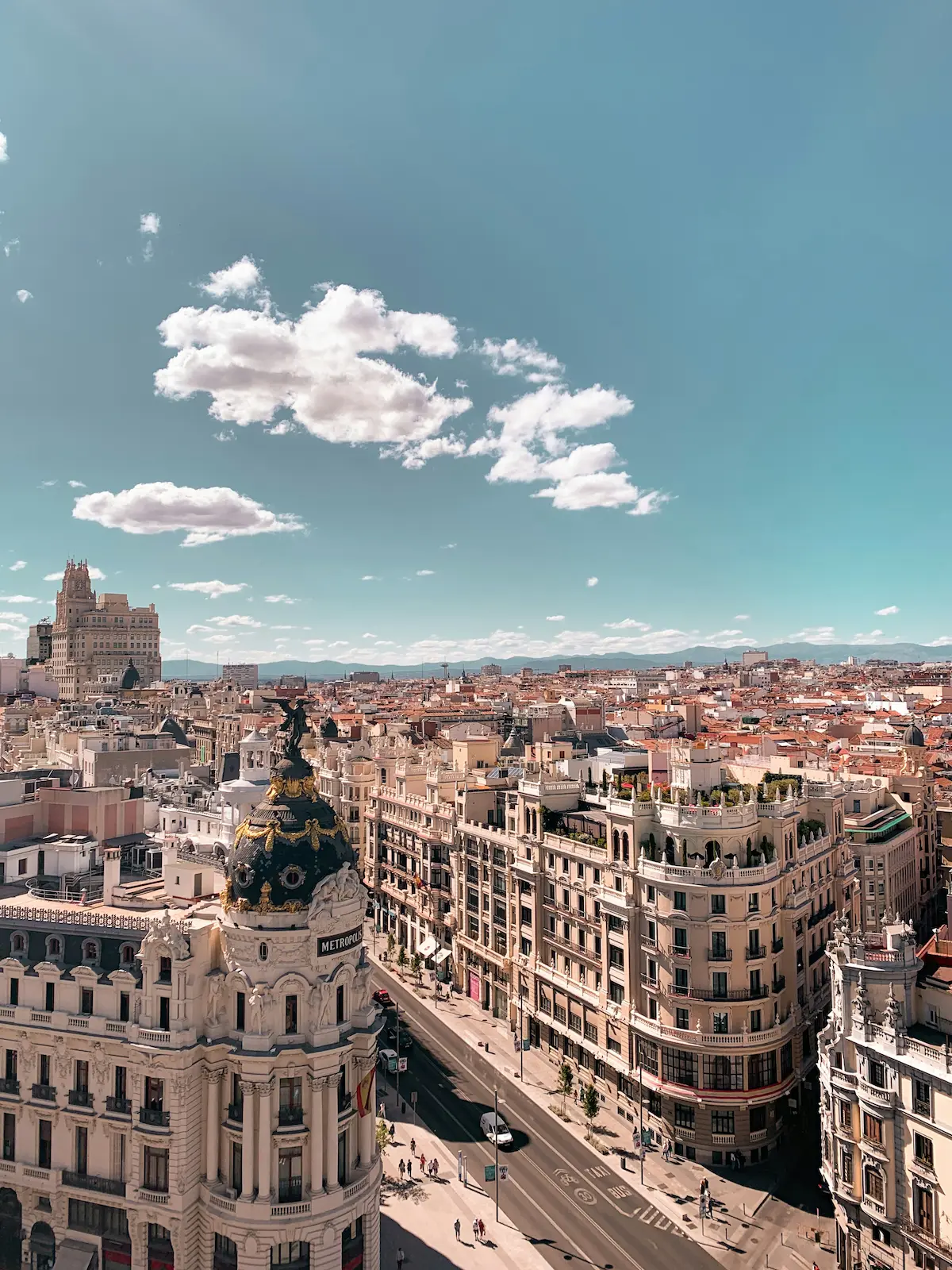
Madrid ordered a boulevard from a king, and took delivery of a skyline from a republic.
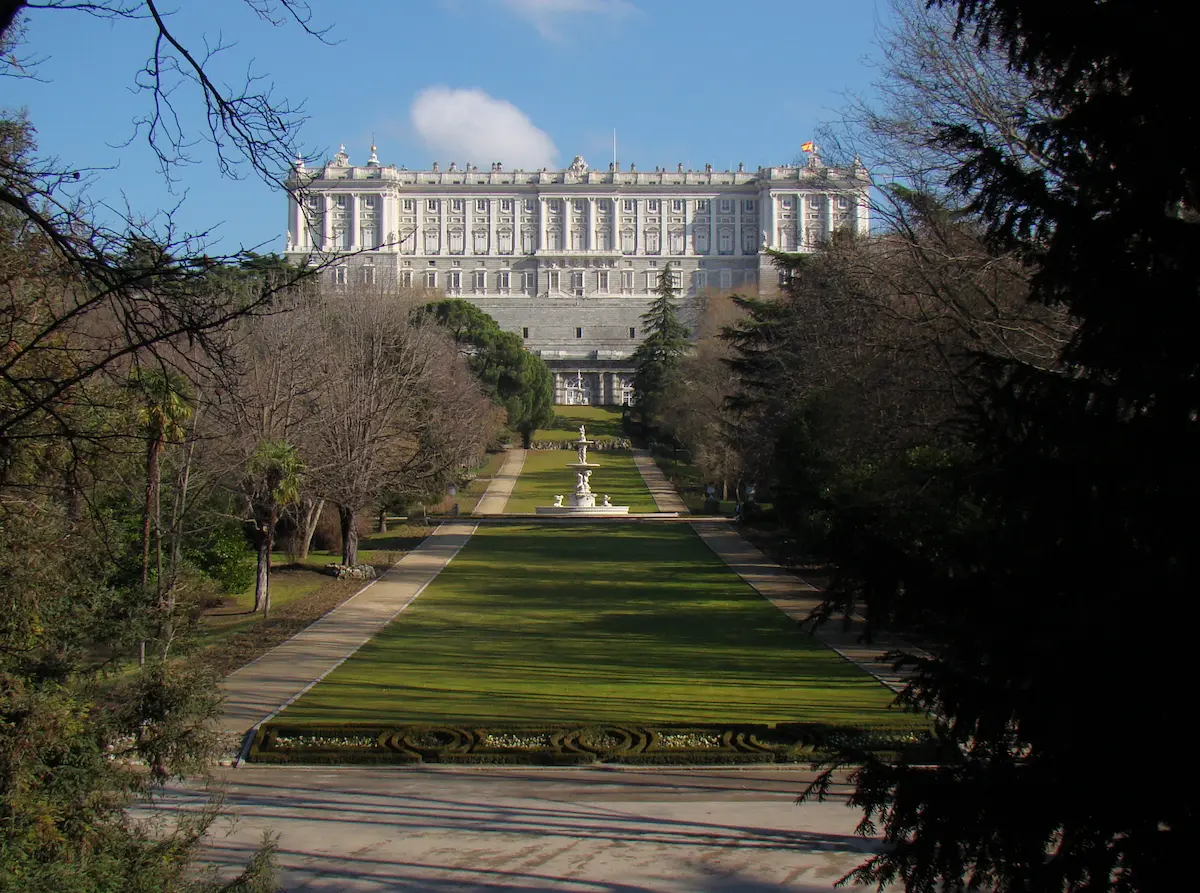
On Christmas Eve 1734, the fortress that had been the heart of Madrid for eight hundred years burned to the ground while the city was at Midnight Mass.
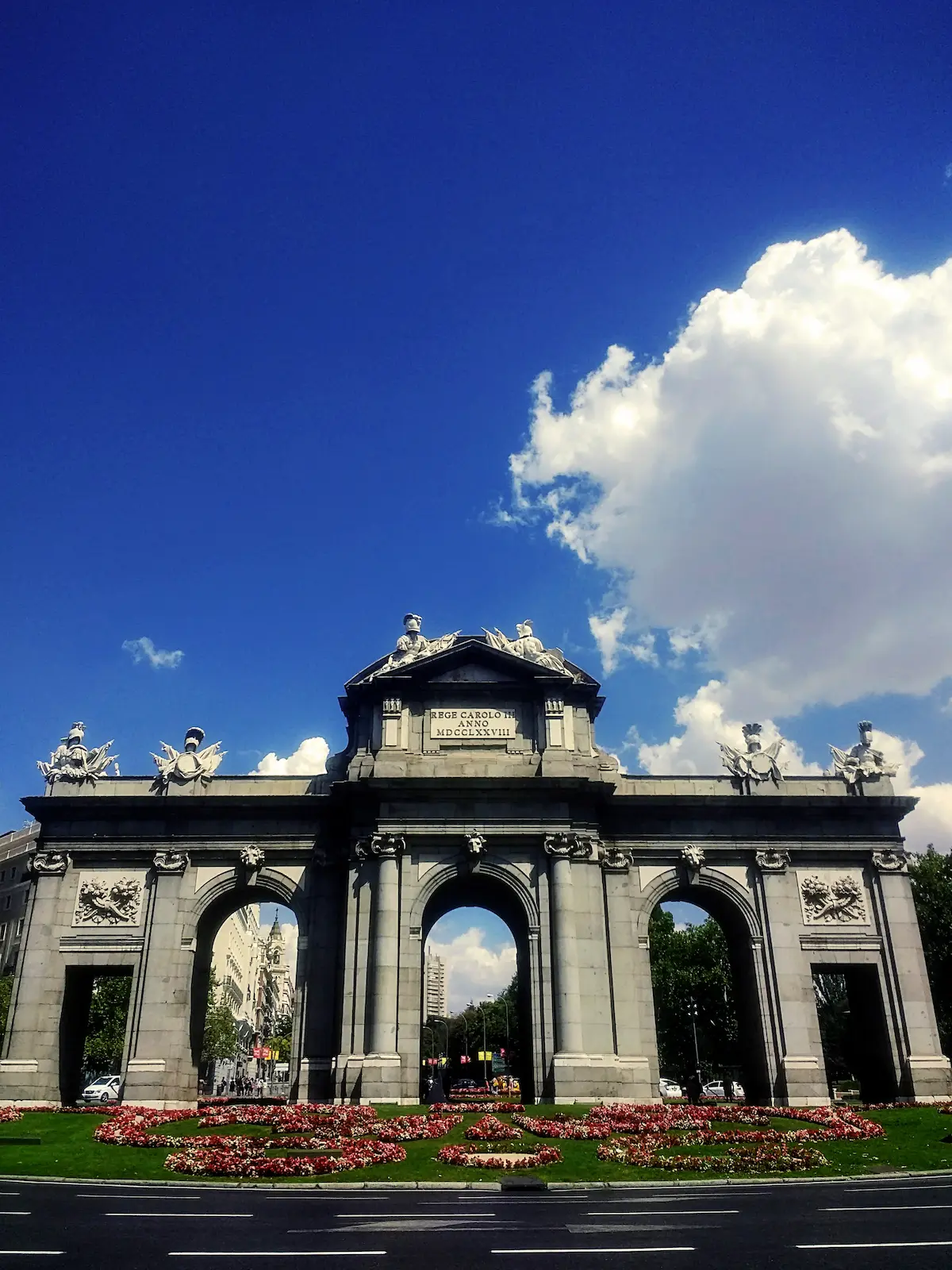
A king laid four instruments along one gentle hill to teach Madrid how to look at the world — and they are all still here.
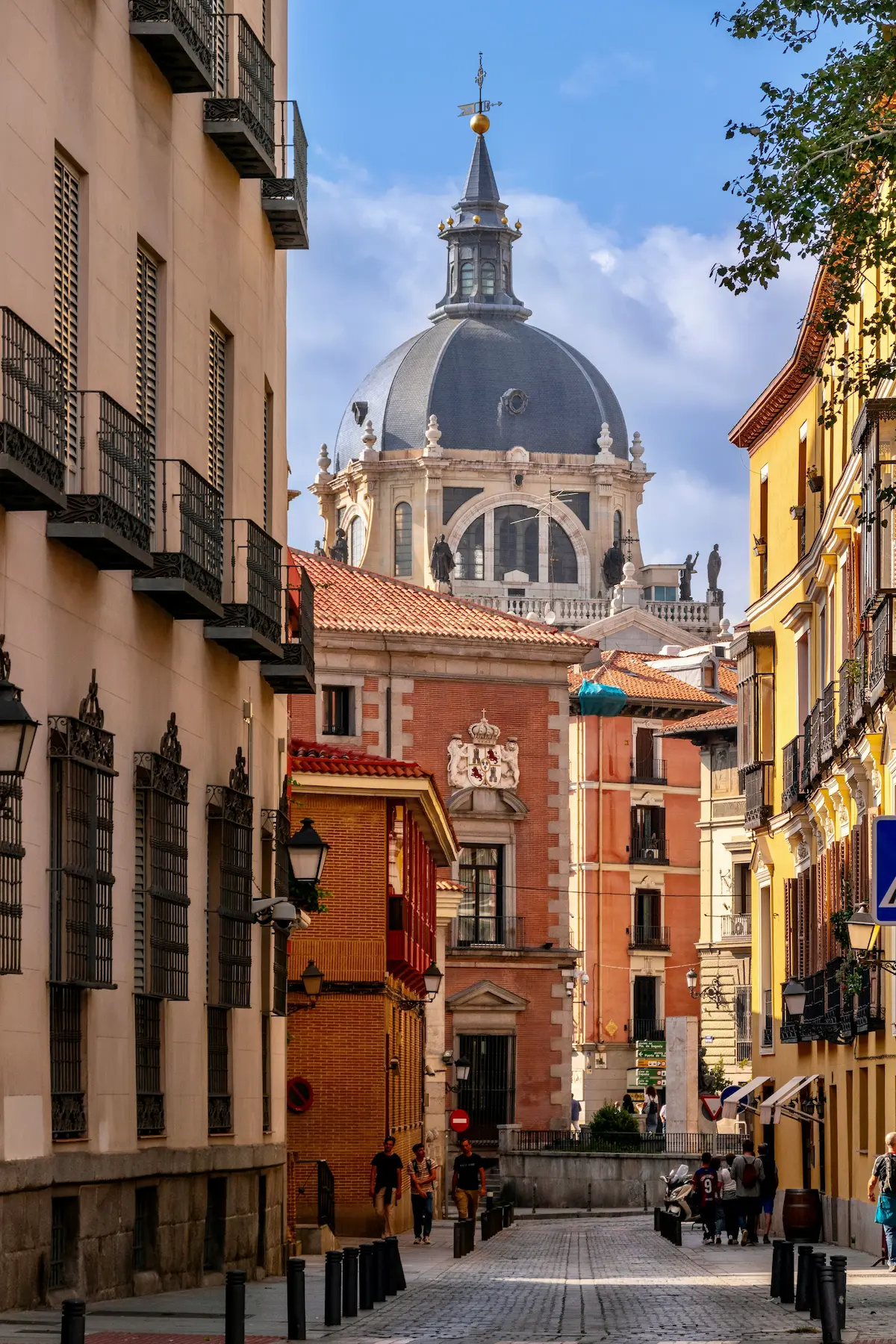
Madrid didn't become a capital. It was told to be one — with no ceremony and no decree, only a note about changing address.
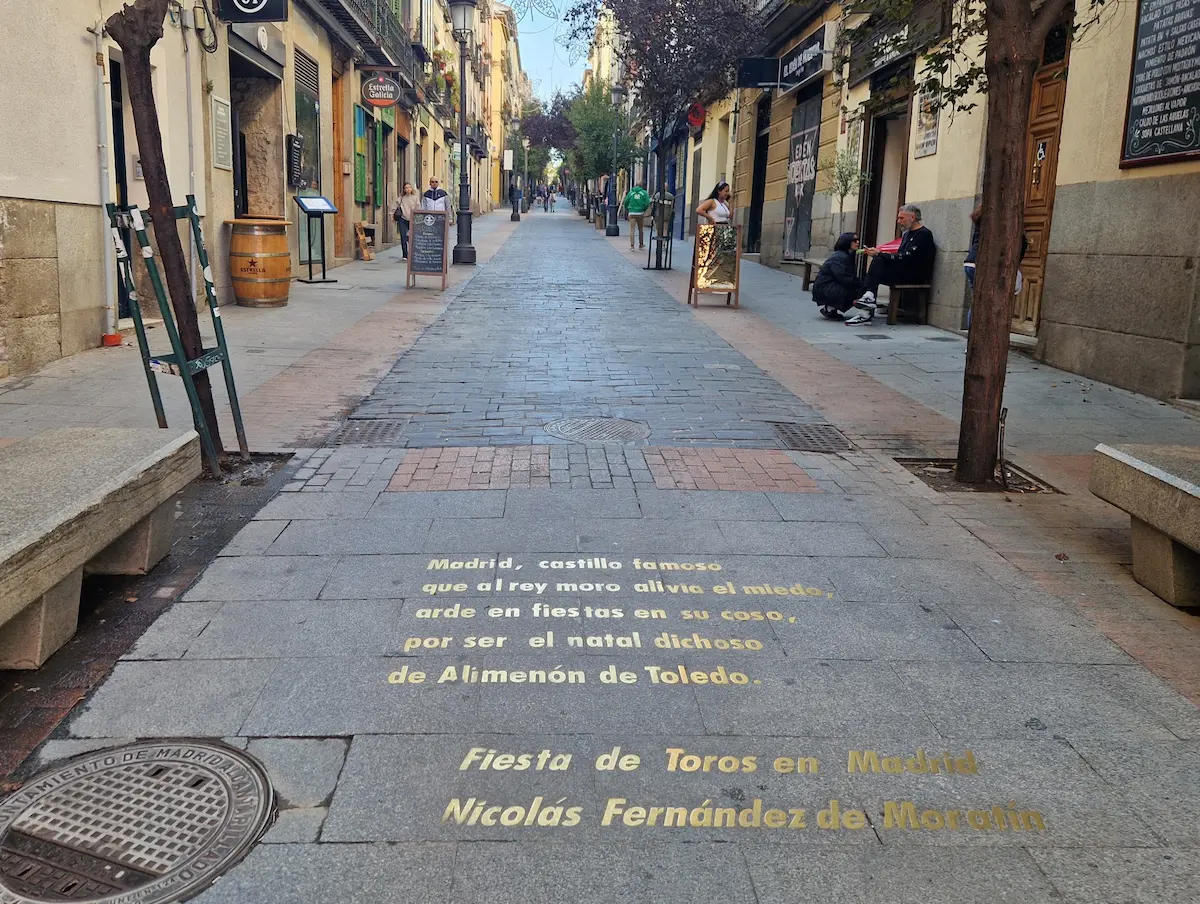
Cervantes, Lope de Vega, Quevedo and Góngora all lived within a few streets of each other — and most of them couldn't stand the sight of one another.
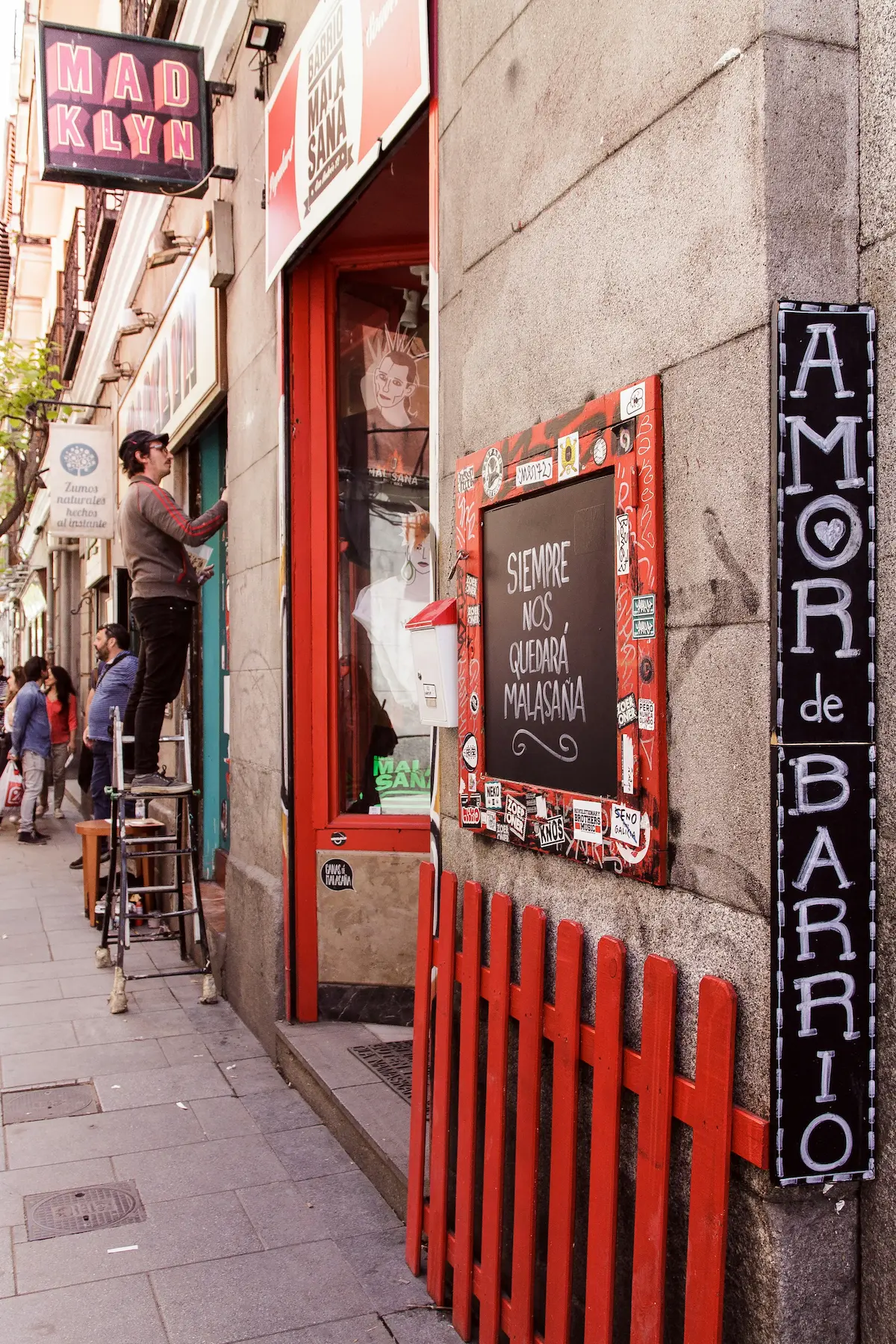
A convent named this corner of Madrid, then a university. The third name came from its own people.
2 walks
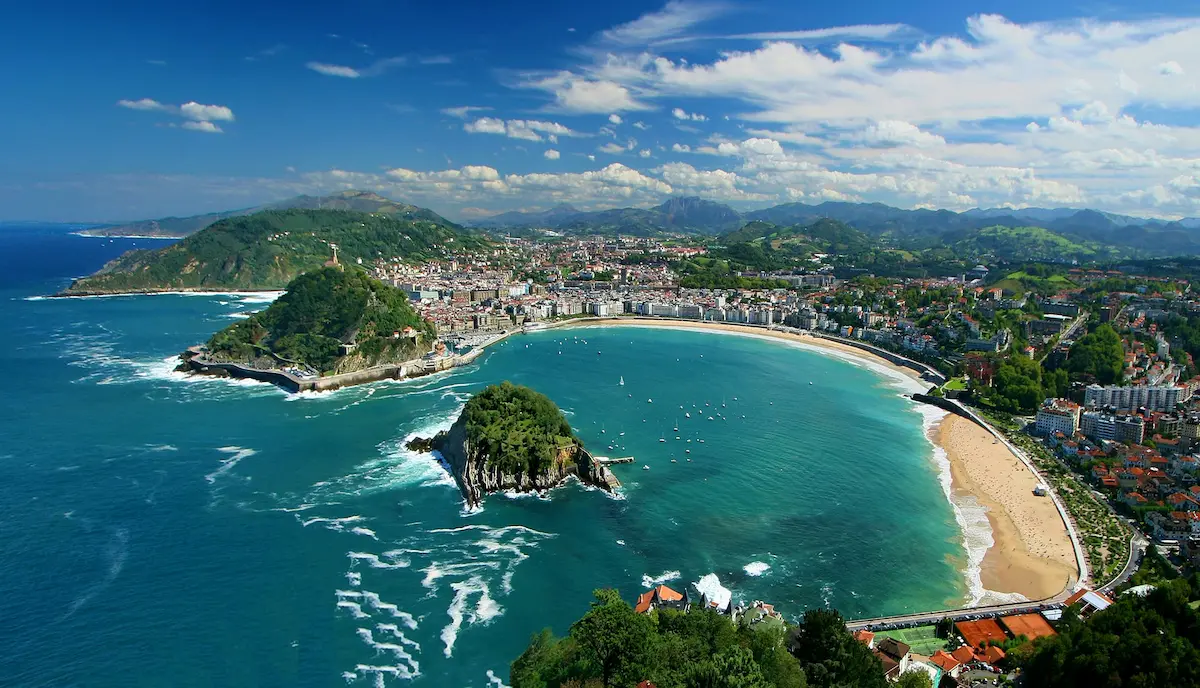
From the elegance of La Concha to the working soul of the old harbour.
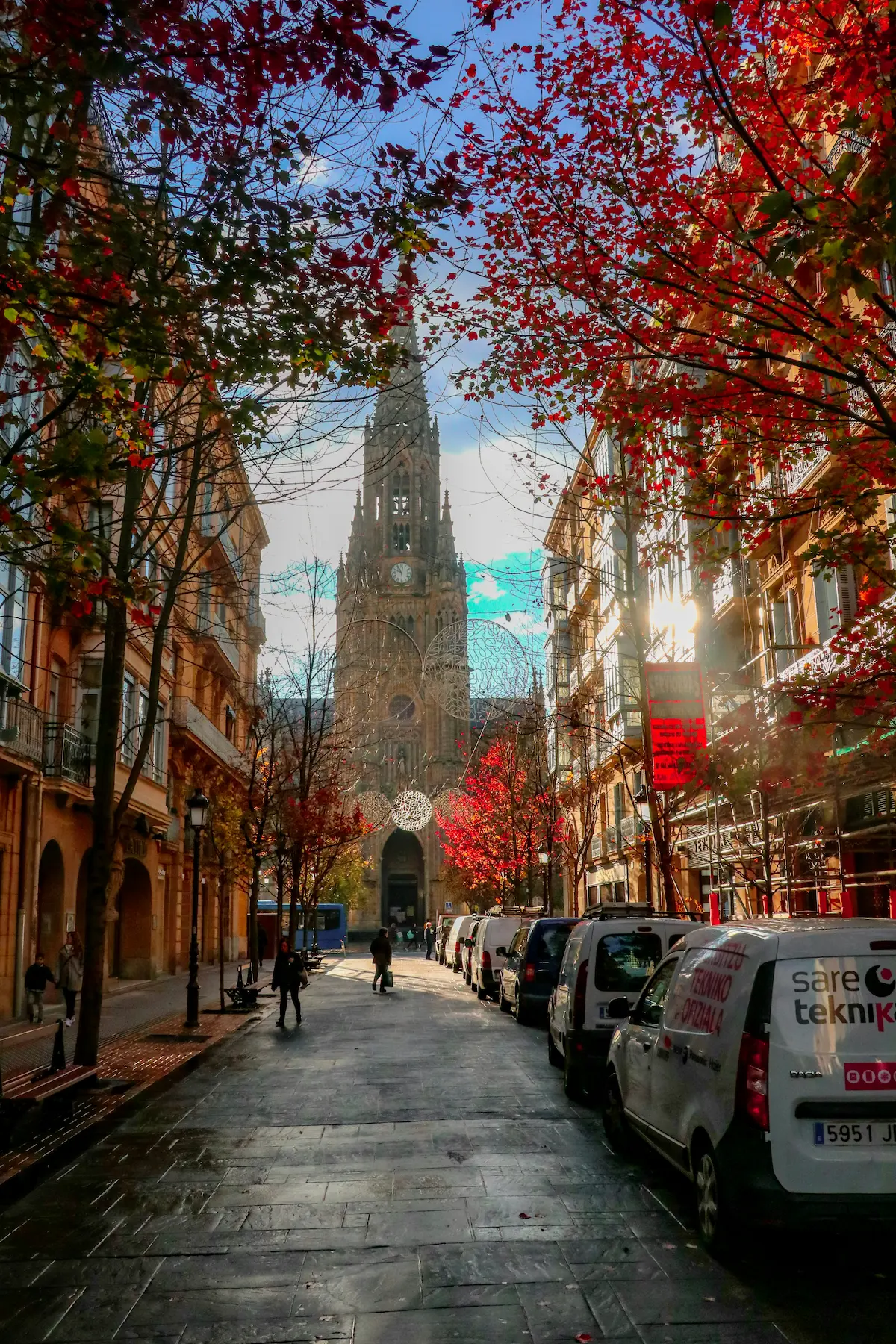
Not a city that simply happened: from the day its walls came down in 1863 to a tobacco factory reborn as a cultural centre.
6 walks
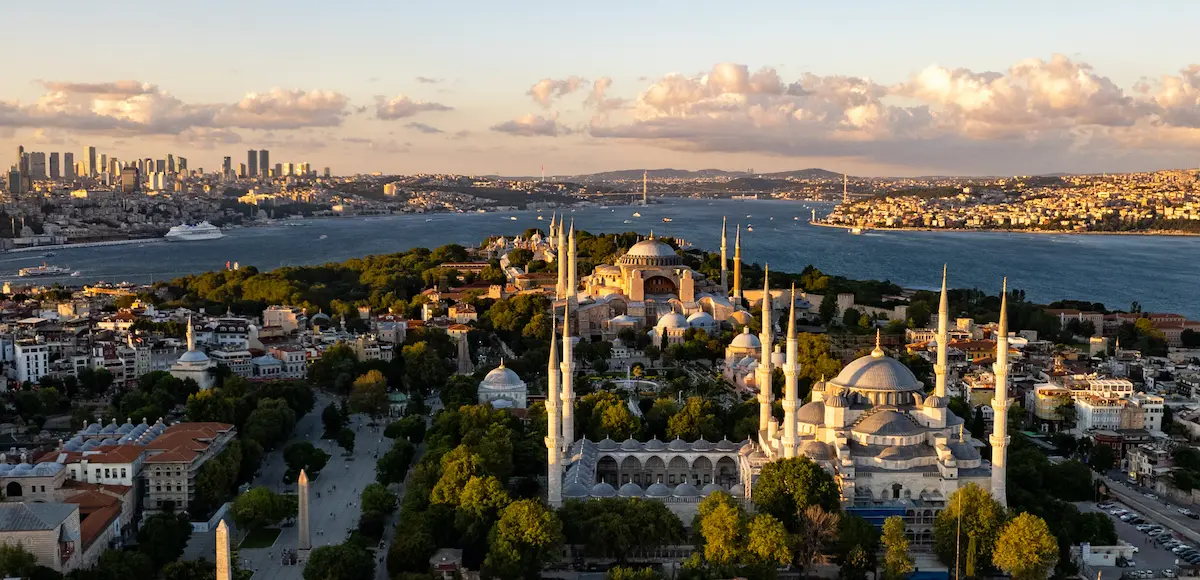
The most photographed square in Istanbul is a Roman racetrack, and the shops selling you carpets are standing on an imperial palace.
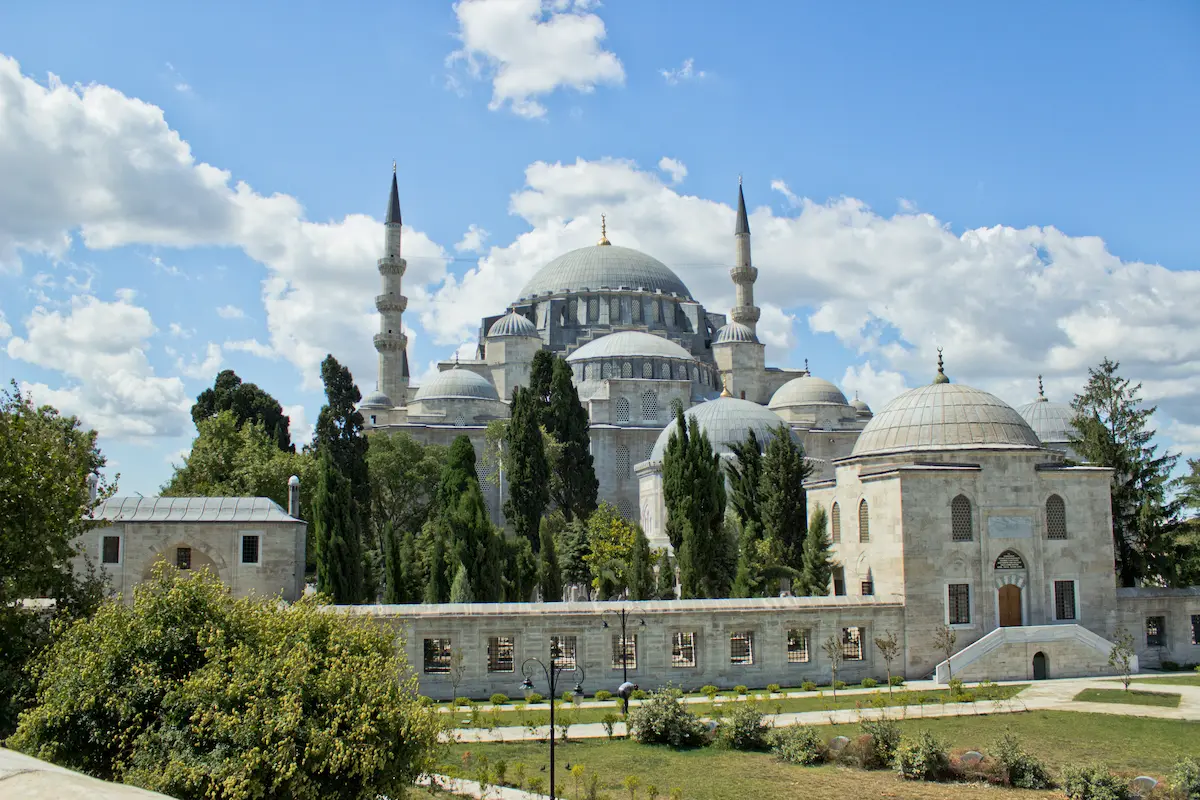
The tram outside the Grand Bazaar runs on a Roman road, and the fountain up in Süleymaniye is called “under the arch” because it is.
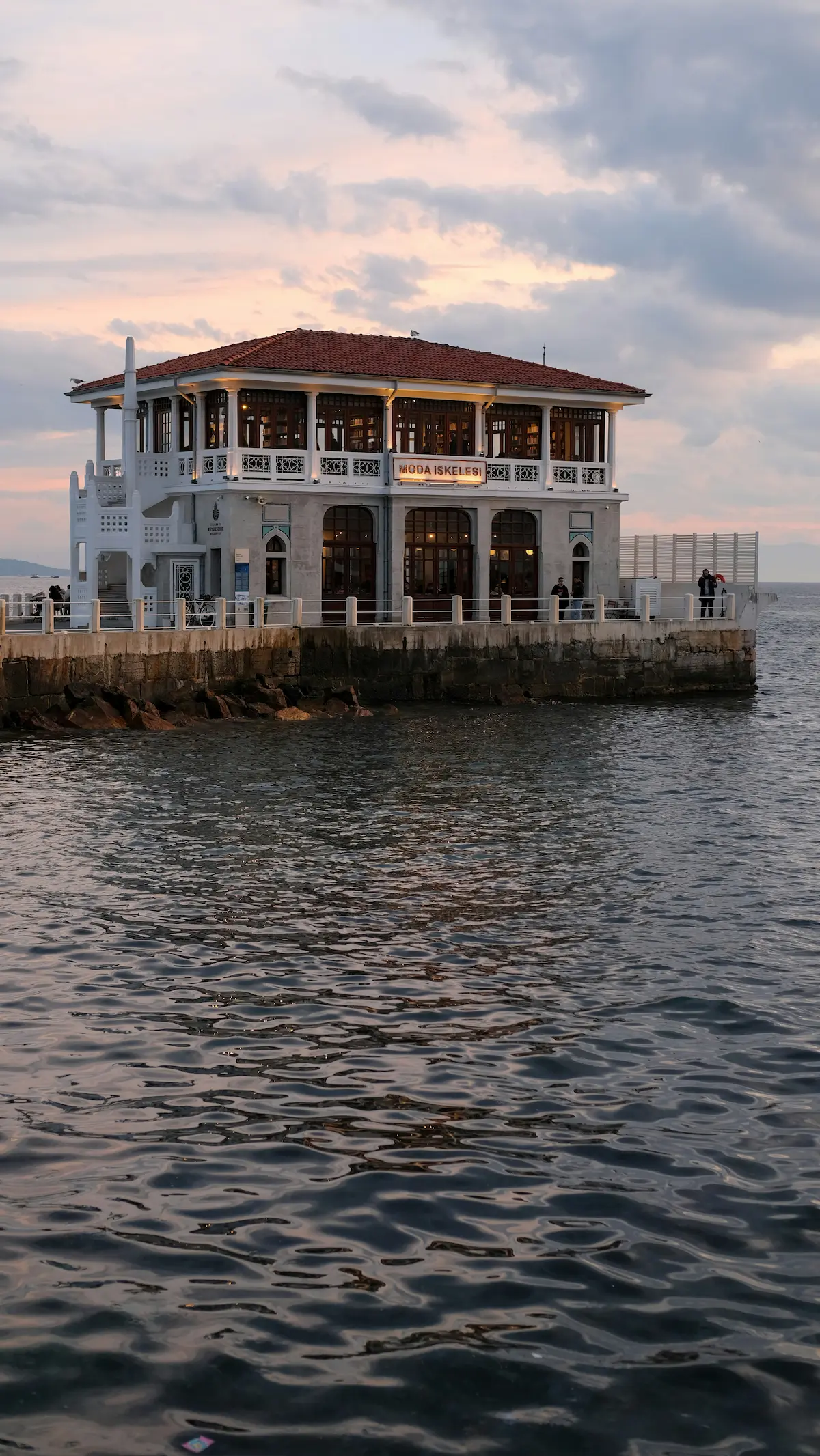
An oracle told the founders of Istanbul to settle opposite the land of the blind — and the land of the blind is where you're standing.
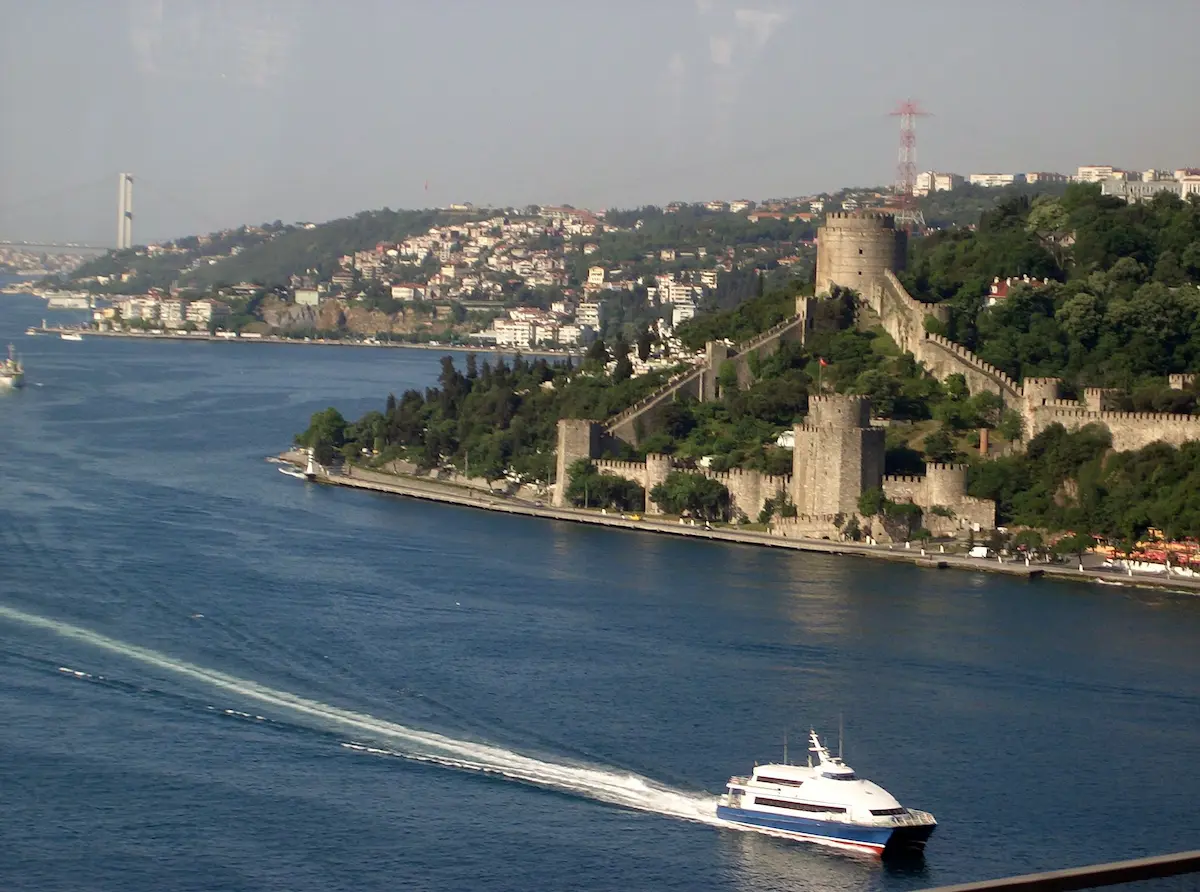
Everyone on this shore is looking at the water. That habit is about a hundred years old.
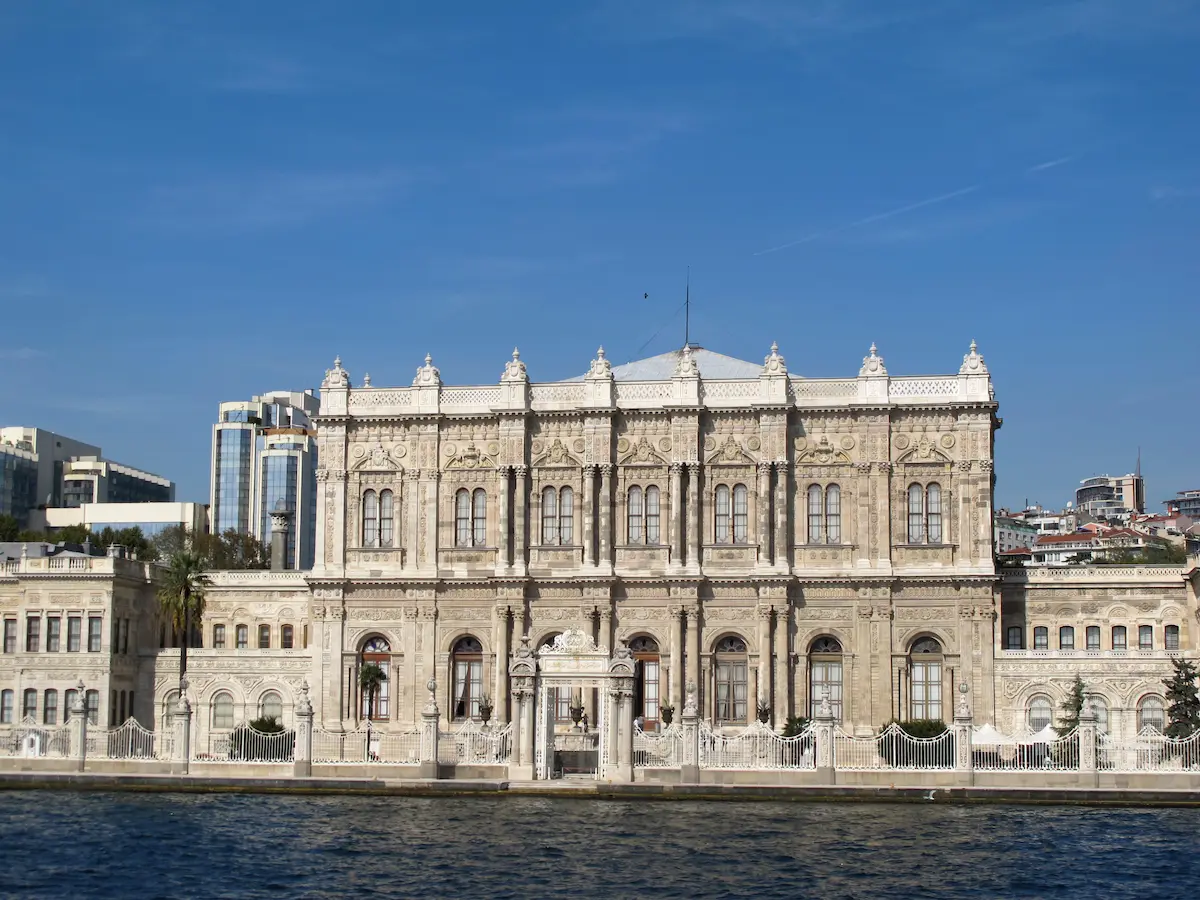
A bay was filled in to make a garden, and a palace was put on the garden.
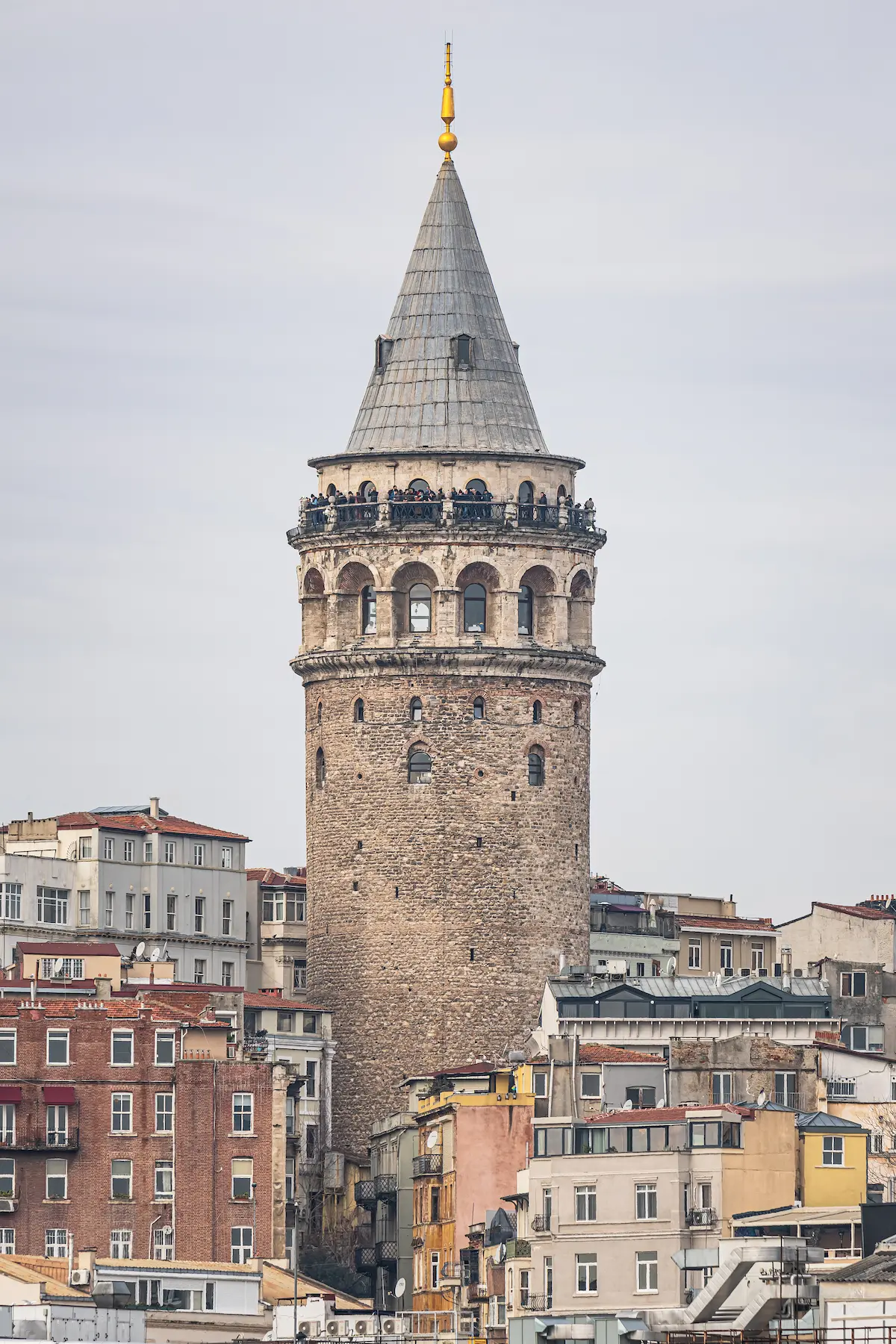
This district ran the empire's money without being the empire.
8 walks
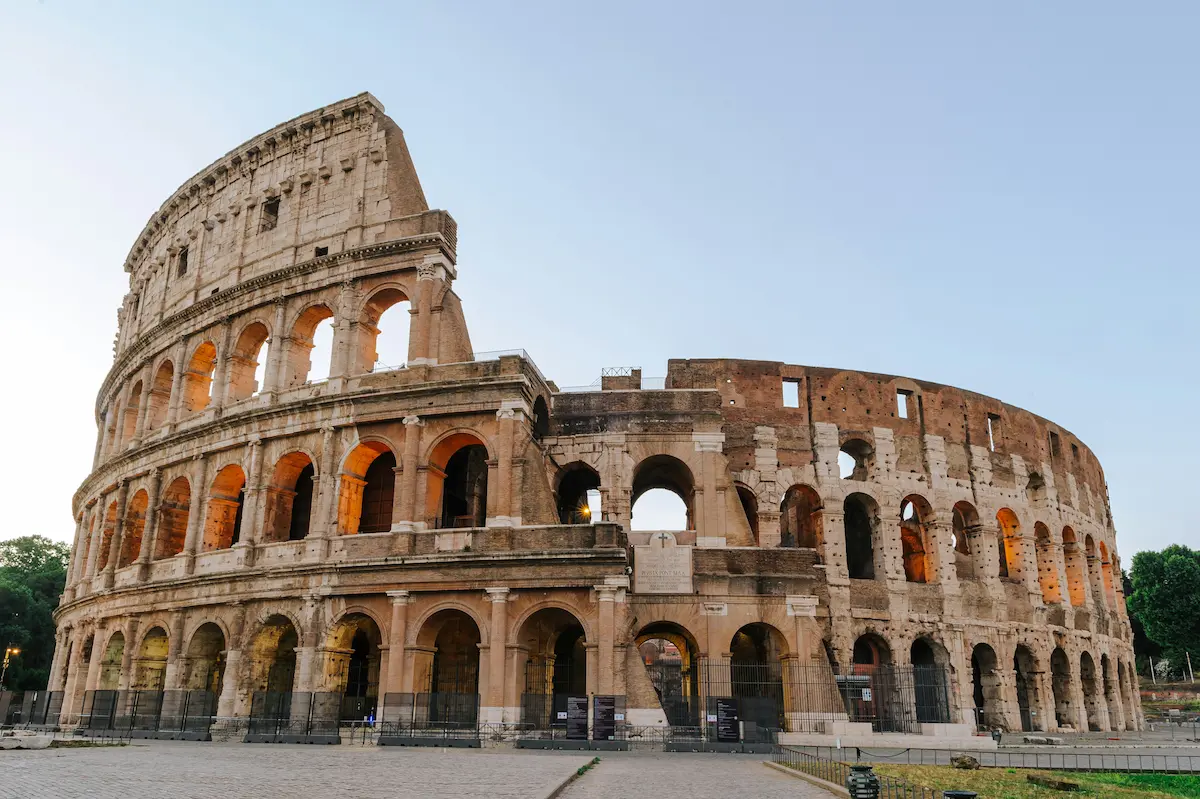
Emperors gave Rome its greatest buildings as gifts: open to the whole city, and inside them, rank still decided your place.
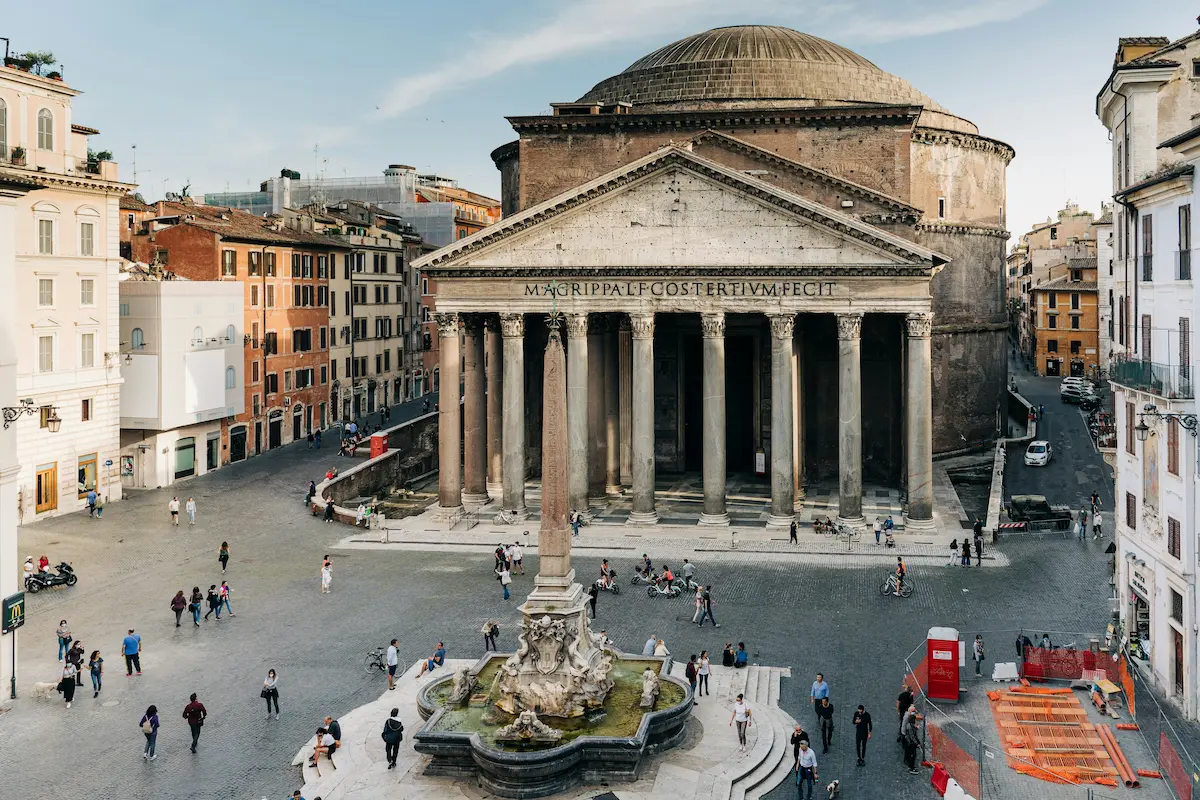
Outside its sacred line, Rome put everything it would not allow inside. That open field became the middle of the city.
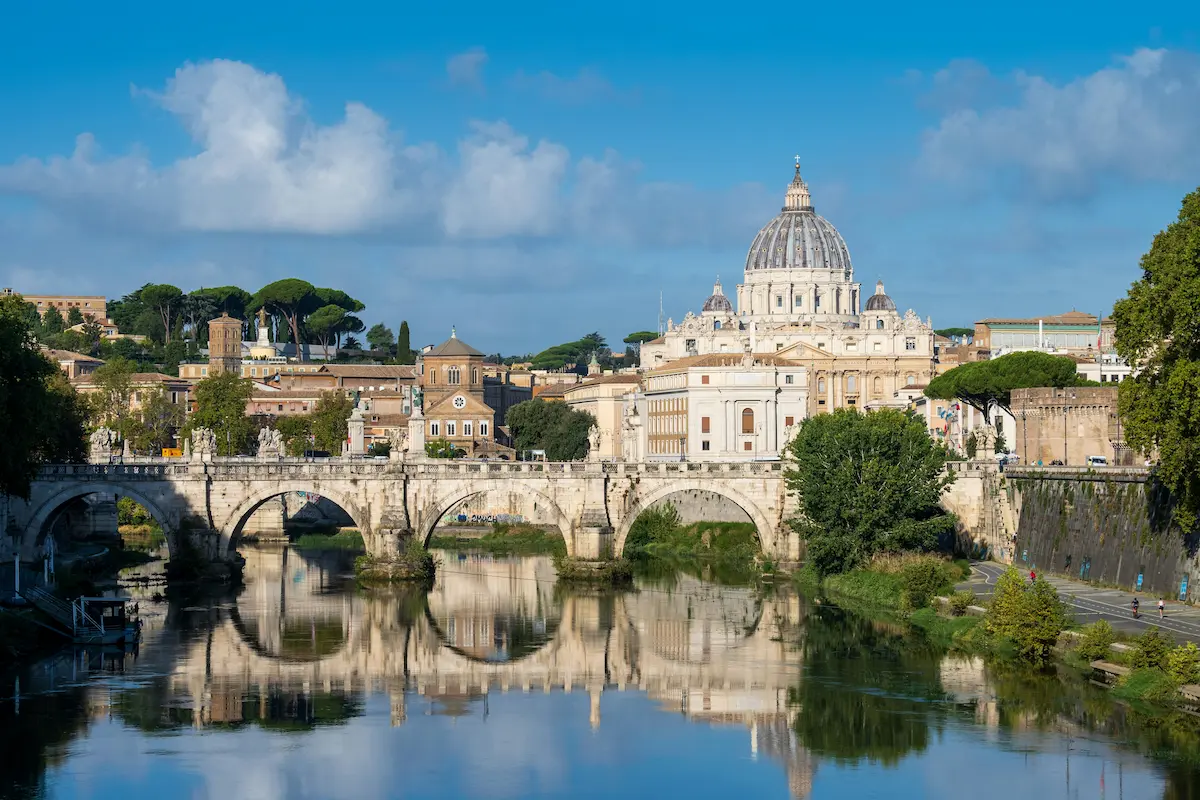
Popes, architects and Napoleon all wanted this view. Nobody built it until 1936, and a whole quarter came down for it.
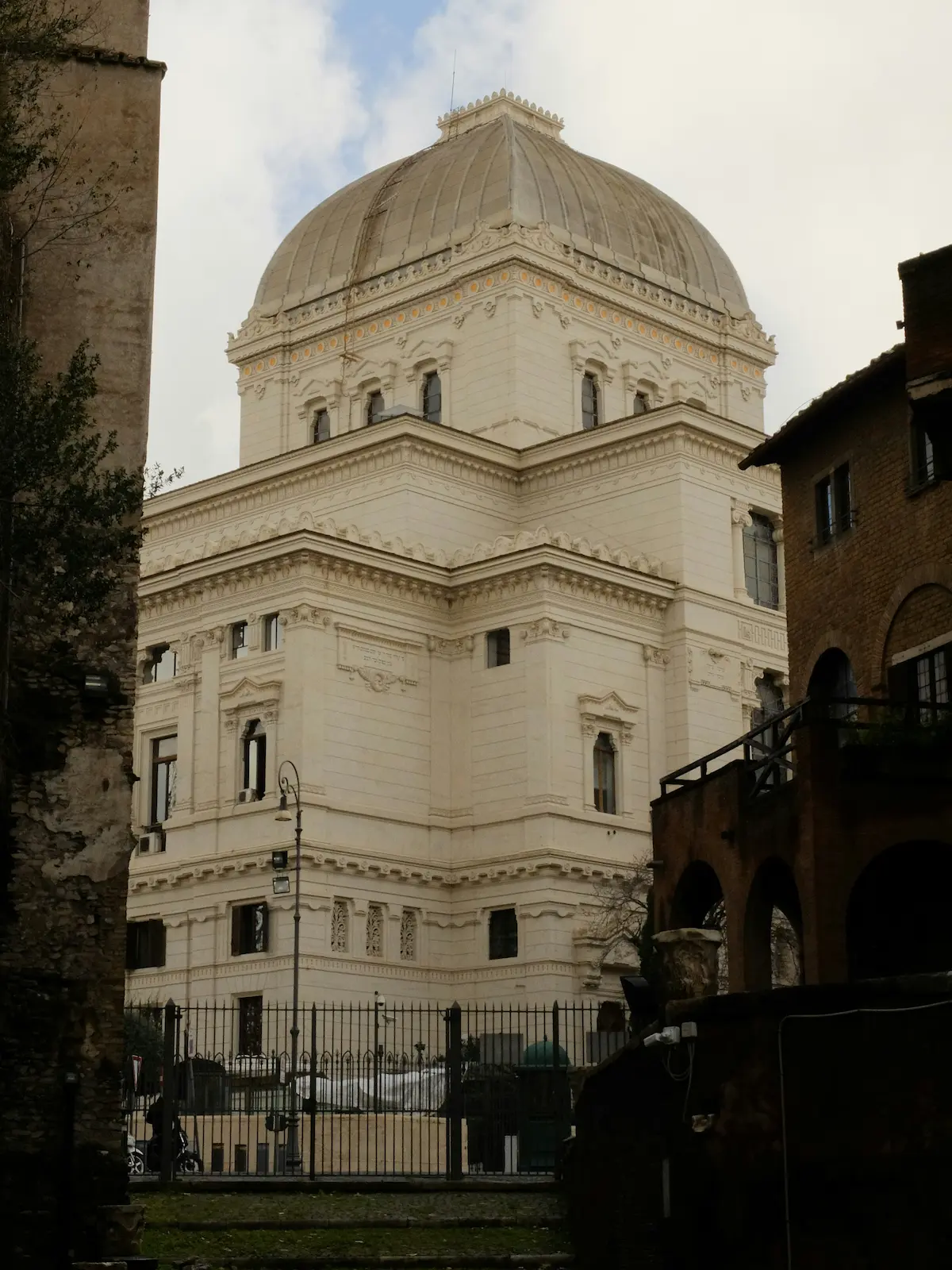
In 1555 a pope walled the Jews of Rome into a few streets by the Tiber, and the order said what it was for: to convert them.
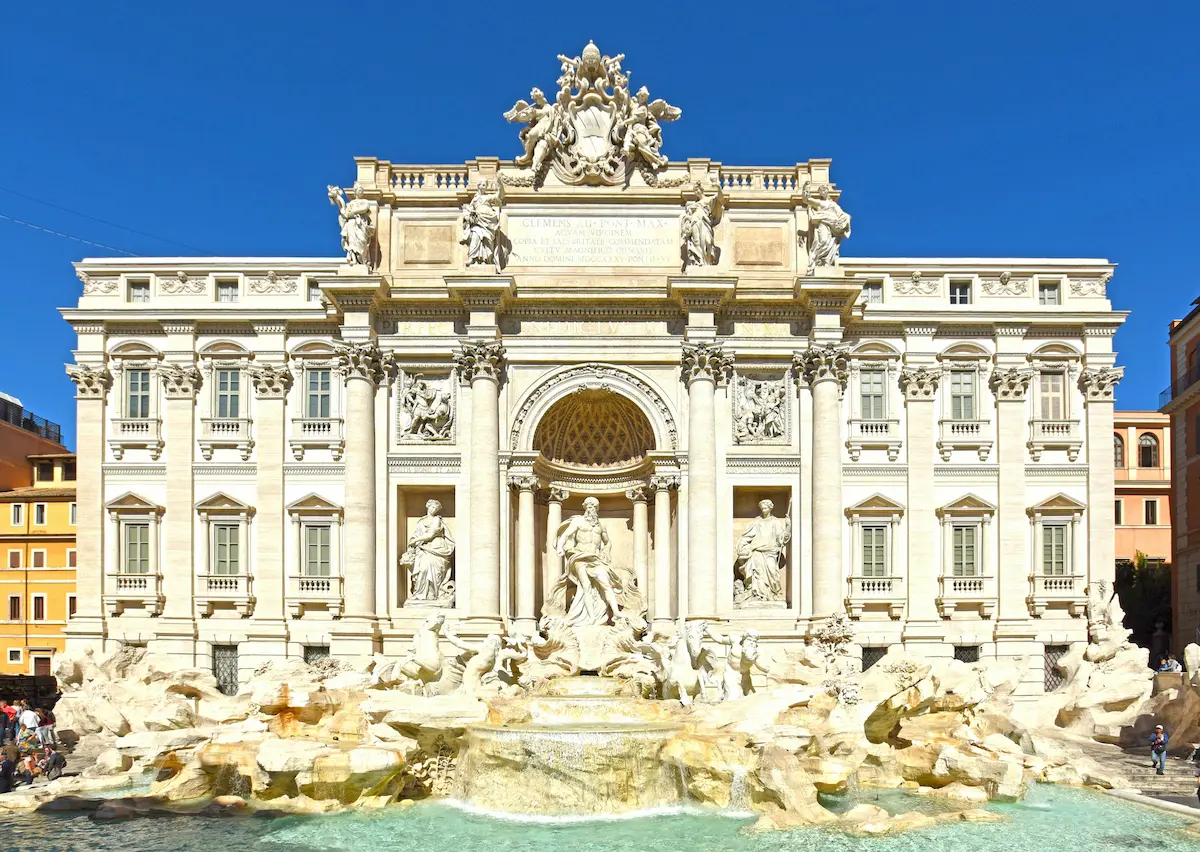
Rome lost its water and came down off its hills. This walk follows the one aqueduct that never stopped.
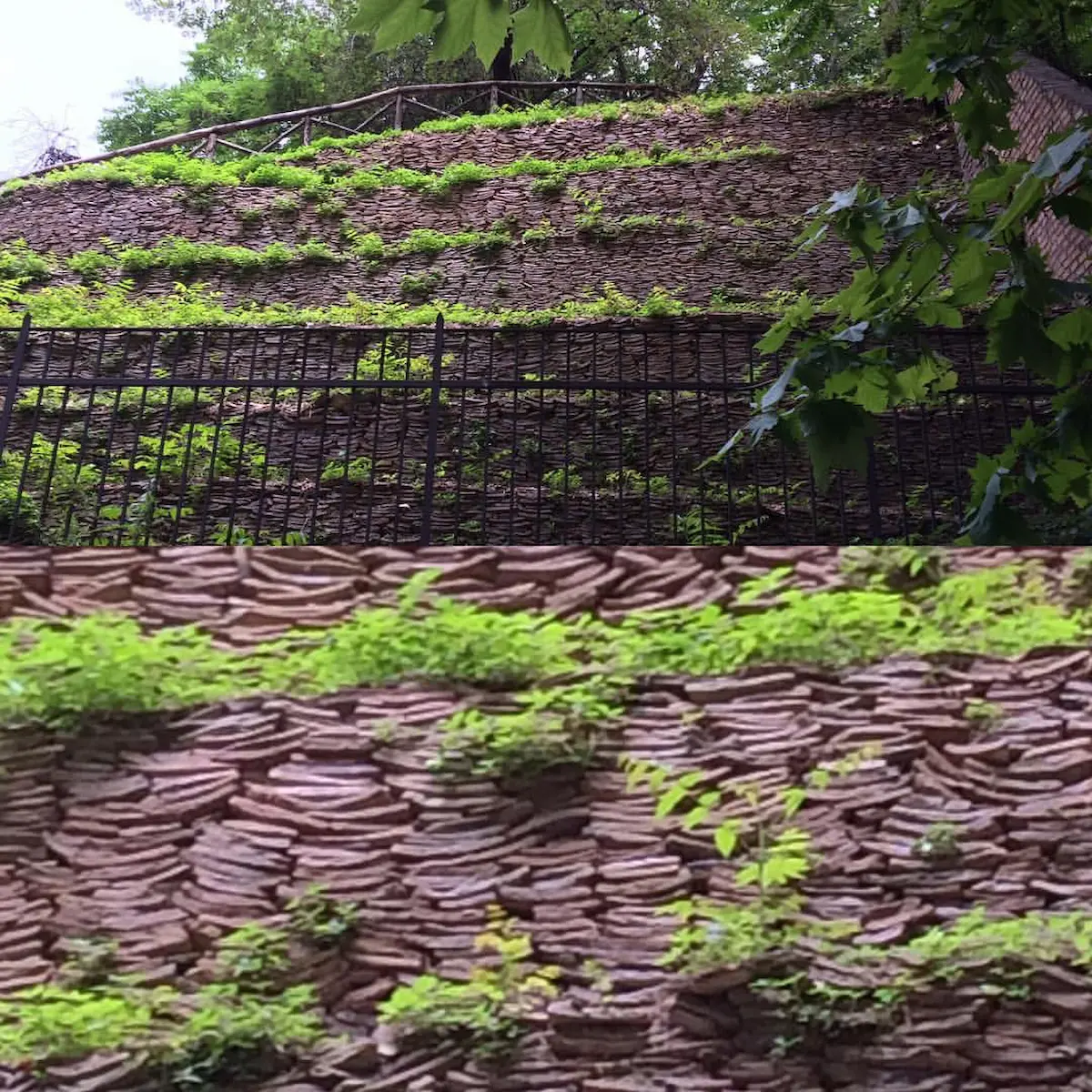
A hill made of millions of broken Roman oil jars, which the city's own heritage office calls the first sorted rubbish tip in history.
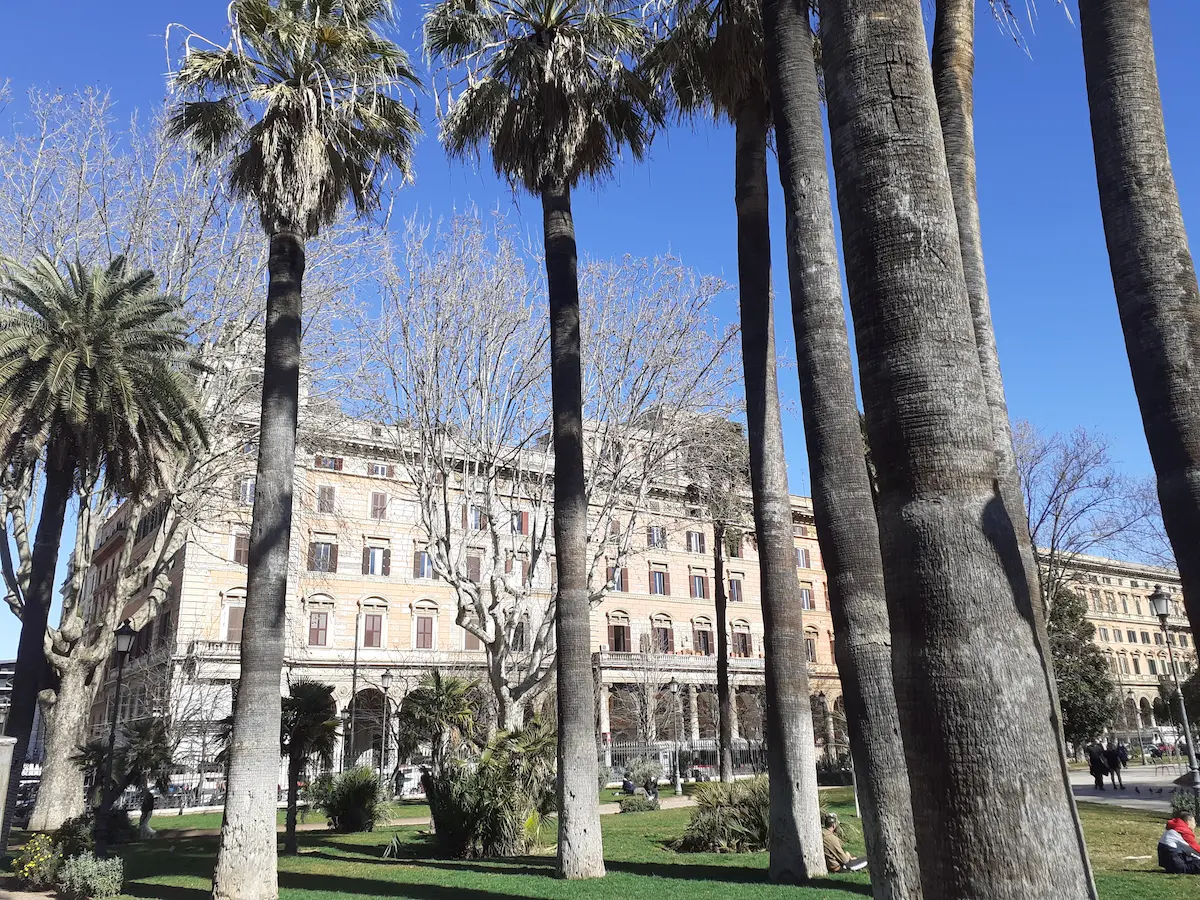
The new Italy laid out a grand quarter for its clerks on the Esquiline. It did not go to plan.
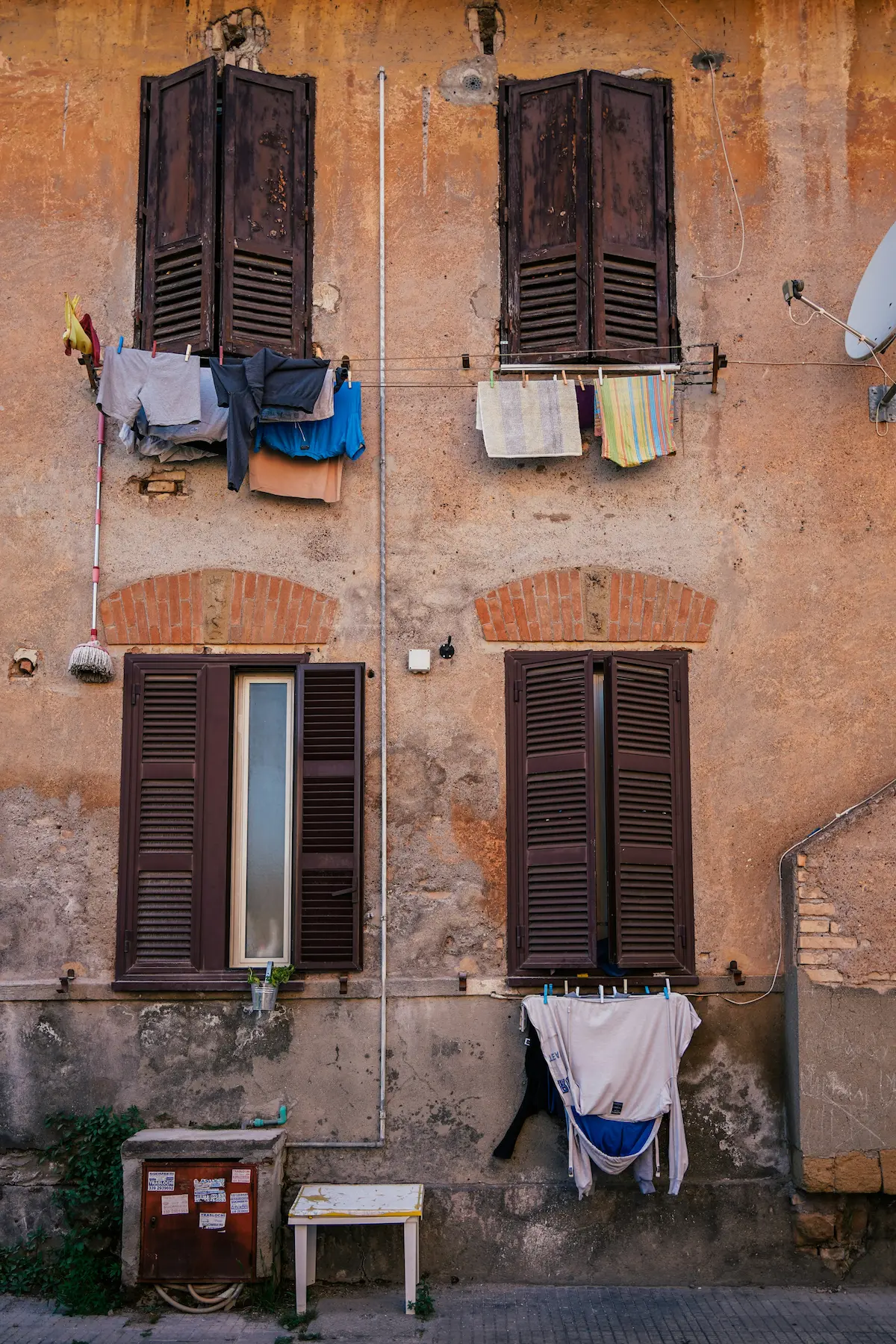
A garden city for workers, founded in 1920 and finished by a government that wanted it to do something else.
Why OpenEar
We don't publish a story until it's researched and fact-checked. What you hear actually happened — exactly as it's told.
Each story is made for one exact spot, so you hear it standing right where it happened.
A single narrator who knows the city, walking beside you like a friend.
FAQ
Barcelona, Madrid, San Sebastián, Istanbul and Rome. More cities are in the works.
Yes — completely. Download a walk and both the audio and the map work with no signal at all. Useful if you're roaming, underground, or just saving battery.
Once you buy a walk, it's yours to keep — no time limit. Download it and come back to it whenever you like.
English, Spanish, French, German and Italian.
No. It's just you, your headphones, and your own pace. Start, pause, and walk whenever you like.